



What You Need to Know About Us
At the Center for Environmental Research and Innovation (CERI), we stand as vigilant guardians of Mother Earth and her people. Our mission is rooted in a deep commitment to protect and restore the natural world while pioneering sustainable solutions that meet the environmental challenges of today and tomorrow. CERI leads…

Why Volunteer With Us?
CERI is a leading research and advocacy organization committed to advancing environmental conservation, sustainability, and climate action. Our multidisciplinary team of scientists, researchers, educators, and activists collaborates on projects spanning a wide range of environmental issues, from biodiversity conservation to renewable energy and waste reduction.
Latest News

Environmental Checks That Could Derail Your Quick Property Sale in the UK
Selling your property quickly in the UK requires navigating environmental checks that many sellers overlook until they threaten transaction timelines. Whether you’re working with propertysaviour.co.uk or another fast-sale service, understanding these assessments upfront prevents costly delays and protects both your interests and environmental integrity.
Request your Property Information Forms (TA6) immediately from your conveyancer, as these documents require disclosure of environmental concerns including flooding, contamination, and proximity to landfills. Incomplete or inaccurate …

The Hidden Environmental Cost of Delta-9 THC Gummies
The cannabis industry’s rapid expansion has created an environmental paradox: Get 20% off on Delta 9 gummies that offer consumers a smoke-free alternative, yet their production carries a hidden ecological cost that demands immediate attention. From energy-intensive cultivation requiring up to 2,000 kilowatt-hours per pound of product to packaging waste flooding landfills, these popular edibles leave footprints far beyond their small, colorful shapes suggest.
**Examine cultivation energy consumption** by investigating whether manufacturers …

AI Is Matching Green Infrastructure Projects With Funding They Actually Need
Leverage artificial intelligence to match your green infrastructure projects with optimal financing sources in minutes rather than months. RadCred.com and similar AI-powered platforms now analyze thousands of loan parameters—interest rates, eligibility criteria, repayment terms, and environmental priorities—to connect sustainable development initiatives with compatible lenders automatically.
Green infrastructure projects face a persistent funding gap: $15 trillion globally by 2040, according to the Global Infrastructure Hub. Traditional loan matching requires extensive manual research, with …

Green Gaming: How Online Casinos Are Reducing Their Environmental Impact
Transform online gambling’s environmental impact by embracing digital-first operations where you can enjoy online crypto blackjack and beyond. The digital gaming industry consumes significant energy through data centers, server operations, and continuous platform maintenance, creating an urgent need for sustainable practices.
Recent studies reveal that the global online gambling sector’s carbon footprint equals that of a small country, primarily due to 24/7 server operations and increasing user demand. However, innovative solutions are reshaping the industry’s …
How Bad is the Plastic and Water Pollution Right Now?
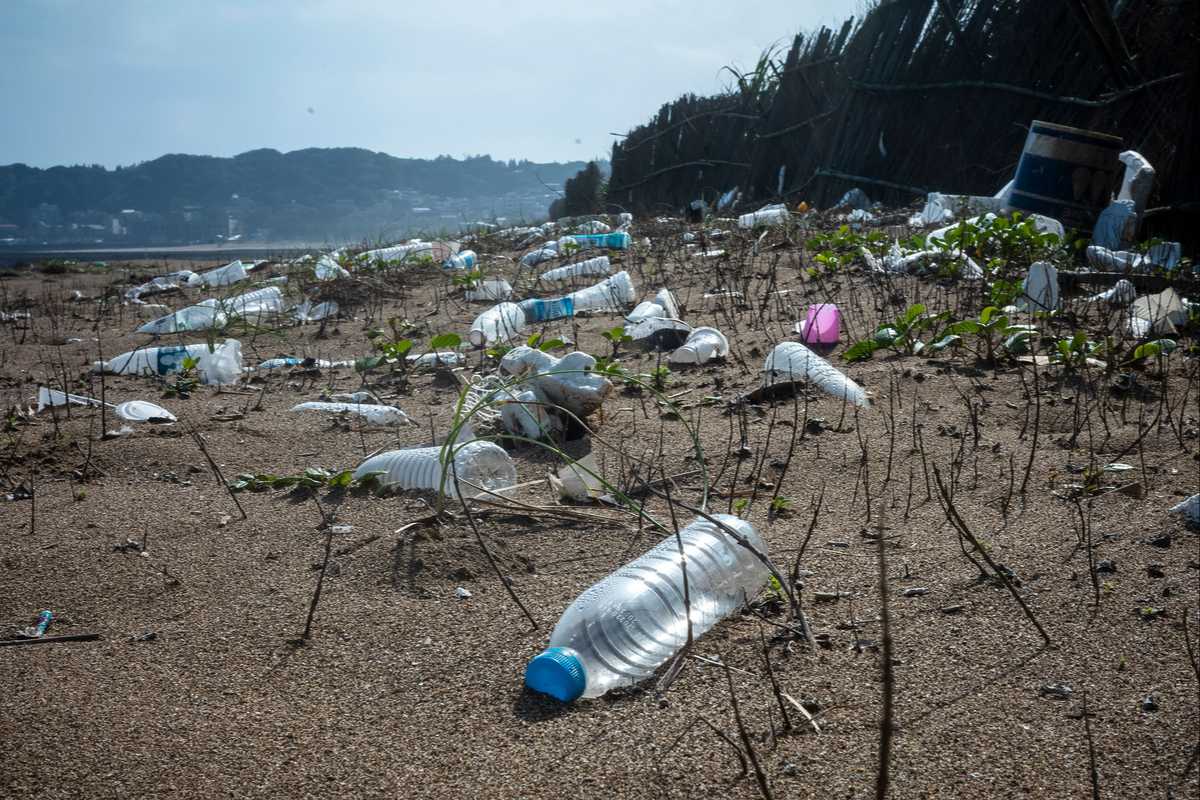
The crisis of plastic and water pollution has become one of the most pressing environmental issues of our time, highlighting a troubling scenario that affects ecosystems, wildlife, and human health globally. As we navigate through the 21st century, the extent and impact of this pollution present an alarming picture, requiring urgent and comprehensive solutions from all sectors of society.
The Plastic Pollution Predicament
Each year, approximately 380 million tons of plastic are produced worldwide, with a significant portion ending up in …
Climate Change and Energy Initiatives in Canada: Pioneering Sustainable Future
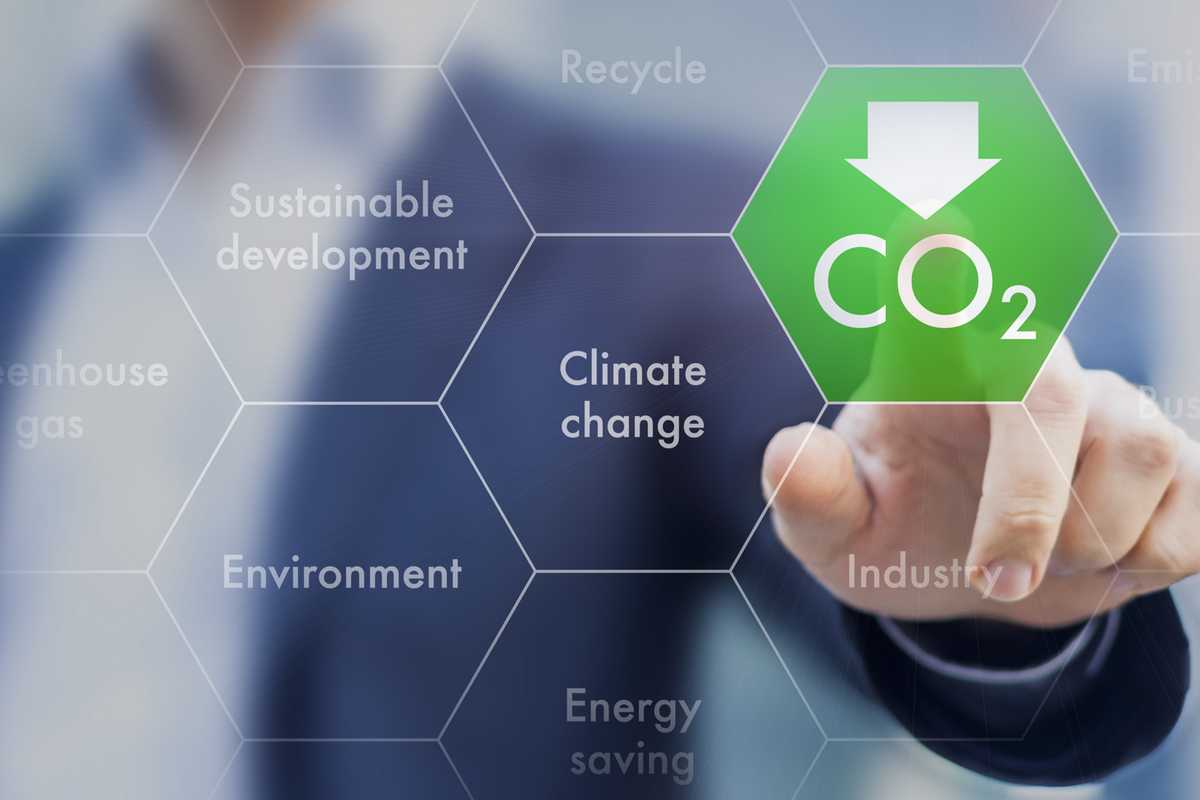
As climate change continues to pose significant challenges worldwide, Canada is actively stepping up its game through substantial energy initiatives. These efforts not only focus on reducing carbon emissions but also on building a resilient, sustainable energy infrastructure. Here, we explore three major initiatives that underline Canada’s commitment to addressing global warming while promoting clean energy solutions.
1. Carbon Pricing: Leading by Economic Incentive
One of the cornerstone policies of Canada’s climate strategy is …

Join Our Clean Up Environment Drive Now
At the Center for Environmental Research and Innovation (CERI), we believe that taking care of our planet is not just a responsibility—it’s a necessity. As part of our commitment to fostering a healthier environment and community, we are thrilled to announce our upcoming “Clean Up Environment Drive.” This initiative invites individuals, families, community groups, and businesses to come together and make a tangible impact on our local ecosystems.
Why Participate?
Every year, millions of tons of trash end up in our …

The Green Smoke: How Vaping Impacts Our Environment and What We Can Do About It
Explore and analyze the environmental footprint of vaping devices and e-liquids. Conduct thorough life cycle assessments to quantify emissions and waste generated from production to disposal. Investigate the recyclability of vaping components, encouraging sustainable practices among manufacturers and consumers alike. Enhance public awareness and responsibility by visiting resources such as The Vaporist collection, emphasizing innovative solutions within the e-liquid sector. Collaborate with policymakers to establish strict environmental regulations and promote green innovations …
Latest Articles

Environmental Policy and Law Centers: What They Do and How to Engage in Advocacy
Environmental policy and law centers serve as the operational backbone of modern environmental advocacy, translating scientific evidence and community concerns into enforceable legal frameworks and actionable policy change. These institutions bring together legal experts, policy analysts, scientists, and community organizers to challenge regulatory gaps, defend environmental protections, and push for stronger climate action through litigation, legislative advocacy, and public engagement. Whether operating as independent nonprofits, university-affiliated research hubs, or collaborative networks, they fill a critical gap between …

Climate Accountability: How Governments and Polluters Are Held Responsible for Climate Action
Climate accountability is the system through which governments, corporations, and institutions are monitored and compelled to meet their climate commitments. It operates through legal frameworks, transparent reporting requirements, enforcement mechanisms, and public oversight that together determine whether climate promises translate into measurable emissions reductions.
Without accountability, climate pledges remain aspirational. The Canadian Net-Zero Emissions Accountability Act, which became law in 2021, exemplifies how nations are embedding transparency into climate policy by requiring the federal government to set targets, …

CEE Bees: How Citizen Science Is Transforming Pollinator Conservation in 2026
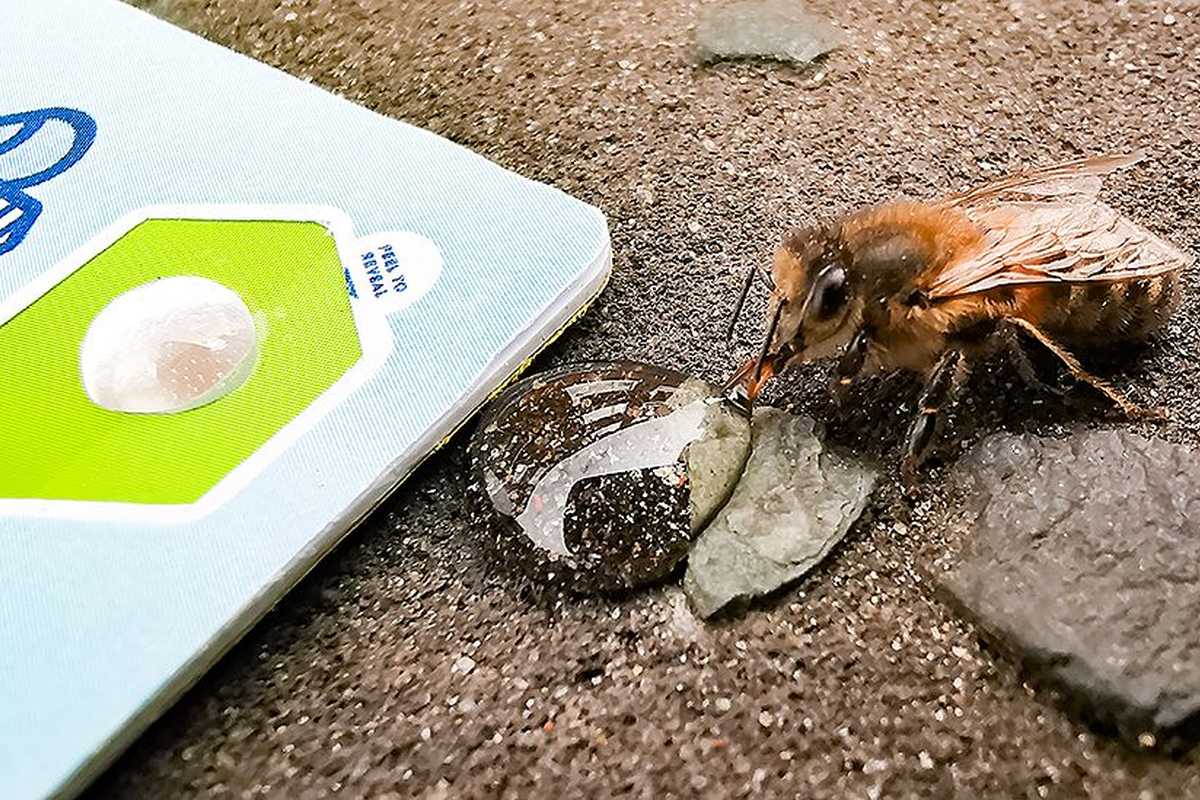
CEE Bees is a citizen science initiative that empowers everyday people to collect critical pollinator data through standardized observation protocols, transforming casual bee watchers into contributors to biodiversity research. By documenting bee sightings, behaviors, and habitat conditions using accessible tools and methods, participants generate datasets that help scientists track population trends, identify at-risk species, and inform conservation strategies where professional monitoring would be cost-prohibitive or logistically impossible.
The program matters because bees function as a …